For more than a decade, Australian fund managers have leapt from one calamity to the next, creating an absolute minefield for Australian investors. A quick look at the charts of Janus Henderson (JHG), Platinum (PTM), and AMP (AMP) tells a clear, painful tale of wealth destruction. Now Perpetual (PPT) has joined the fray, with its share price basically halving over the last few years against a backdrop of a broader market making new all-time highs.
Earnings undoubtedly drive share prices over the medium/long term, but when it comes to sharp short-term swings in overall market valuations/sentiment, there's nothing like monetary policy to dictate terms for stocks, with the RBA front and centre yesterday. The correlation between the local index and 3-year bonds has been extremely close over the last year, which is the major reason MM keeps a close eye on credit markets. The RBA left interest rates unchanged on Wednesday at 4.35%, while they indicated rates would need to “stay higher for longer” to rein in sticky inflation; importantly, there was little suggestion that rates would again start to rise as many had feared. The main pressure on inflation is coming from the strong jobs market, as well as higher petrol prices, which has a knock-on effect throughout the economy – the latter is frustrating when we consider crude oil has fallen 5% in 2024.
A surging copper price and the market belief that the industrial metal will be in short supply in the years ahead as we move towards a carbon-neutral world were the catalysts for BHP’s purchase of OZ Minerals (OZL) last year and bid for Anglo-American (AAL LN) last month. In our opinion, there's plenty more corporate activity likely in the copper space over the coming years, with the industrial metal remaining a core bullish view for MM. As we’ve said from the start, we would find it highly unlikely that BHP would approach this transaction with a one and done mentality and a second or even third bid would be likely. The AFR is running with a story this morning that both Argo Investments and Wilson Asset Management have said they are satisfied that value would be created by combining BHP and Anglo American’s copper and coal assets, this sort of PR can often be used as a way of preparing or softening the market for when the higher bid does come, which we think is inevitable.
Following recent robust economic data and apparent evidence inflation is becoming increasingly sticky after its steep decline from around 8% in late 2022 to 3.6% today, analysts are split on the future path for interest rates through 2024/5. Most pundits are looking for no change after Tuesday’s 2-day meeting, but the futures market is pricing a good chance of a hike by September – we believe the RBA will adopt a patient stance, but we acknowledge there is far more chance of a hike than a cut over the coming months.
Following NAB’s solid result yesterday, we’ve looked at the Diversified Financials this morning to evaluate if any opportunities are presenting themselves in the current volatile market. This is one sector of the ASX where the saying “not all boats float as one” has been very accurate, the below list of performance through 2024 demonstrates the point perfectly:
Winners: Netwealth (NWL) +28%, AMP (AMP) +15%, Pinnacle (PNI) +14%, HUB24 (HUB) +9%, and Insignia Financial (IFL) +3%.
Losers: Block Inc (SQ2) -9%, Perpetual (PPT) -8%, Magellan (MFG) -6%, Helia (HLI) -6%, and Soul Patts (SOL) -3%.
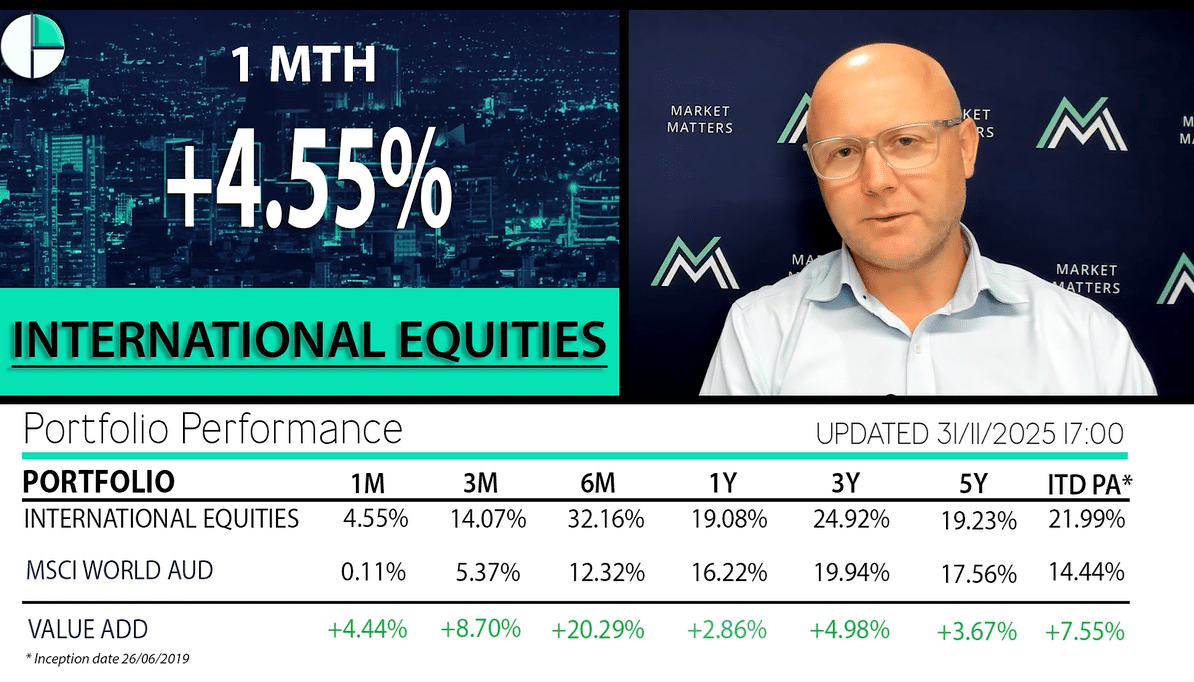
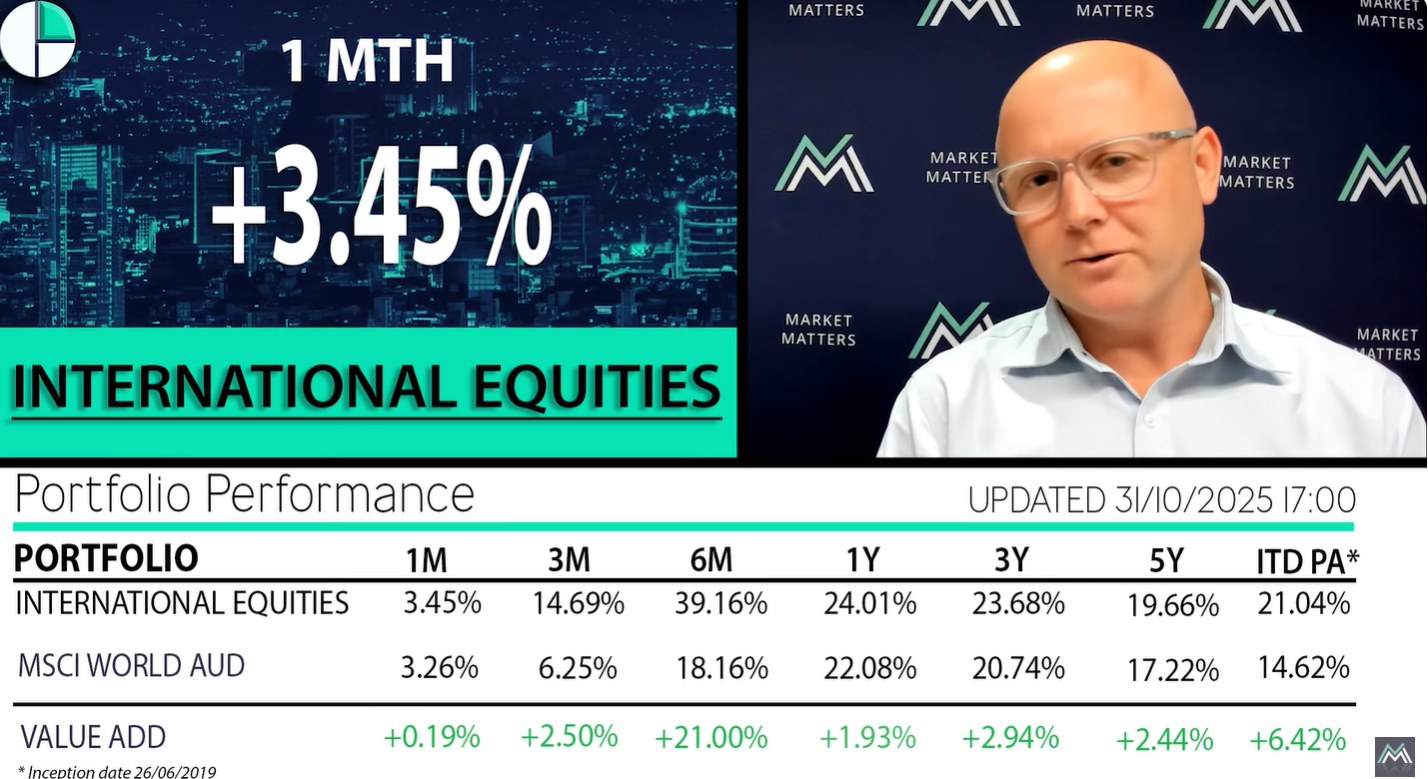
As equities have struggled over recent weeks, we’ve been asked several times whether this was a good time to allocate additional capital into the market, hopefully through Market Matters Invest, i.e. the portfolios we manage that are open for investment. While we provide general advice only and do not take into consideration any individual investors personal circumstances, we are still bullish towards equities over the medium term primarily because we see interest rate cuts unfolding over the next 12-18 months, a very bullish backdrop for stocks. We believe that active management can deliver strong risk-adjusted returns for investors, and our track record supports this claim.
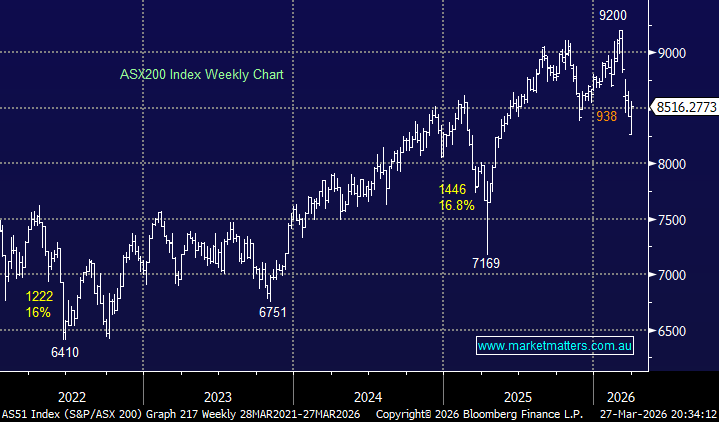
The infamous May is upon us, although, as we’ve pointed out recently, the ASX200 has rallied through 6 out of the last 10 Mays, delivering investors an average small net gain. Subscribers who like to watch the market seasonality closely should be far more concerned by August and September; the average loss over these 2-months over the last decade is 3.84%. At this stage, we remain net bullish towards the ASX, especially when we reference the highly correlated Canadian TSX and UK FTSE indices, with the latter again notching new highs early in last night's session. However, two of the market's recent strong characteristics continue to prevail, and they need to be understood to add alpha (performance) to portfolios.
Investors are rapidly losing confidence that some major central banks will cut interest rates in 2024, while the local futures markets are becoming increasingly confident that the RBA will actually hike before Christmas. At MM, we believe the rate cuts will come, but investors may need to be patient as it wasn’t that long ago that central banks read the inflation picture incorrectly, which led to the aggressive rate hiking cycle through 2021/2 in an attempt to put the “inflation genie back in the lamp” a goal that hasn’t yet been fully achieved. The point is they don’t want to get it wrong again and cut too early only to have to hike soon after as strong economic activity reignites inflation.
Excuse today's title; blame Shawn as we contemplated Michelle Bullock's first move with interest rates since becoming the Governor of the RBA in September. The new head of the RBA has remained cautious towards both inflation and interest rates through 2023/4, and we see no reason for this to change. The RBA got it totally wrong on Philip Lowe’s watch, believing inflation was only temporary after COVID, a view which resulted in the dramatic rate hikes witnessed through 2022 and 2023. Bullock should and is adopting a cautionary stance until, hopefully, she is confident that inflation will return to its 2-3% target band.
The ASX consumer discretionary (retail) stocks have demonstrated their need for a strong bond market. In the short term, we remain concerned they’ve disconnected slightly from the influential credit markets. Futures markets are starting to price in the risk of rate hikes in 2024, with some well-respected economists becoming increasingly hawkish. Judo Bank’s Warren Hogan is calling for three hikes to 5.1%; previously, he was looking for cuts in 2025, but the recent hot inflation data has seen him reverse this outlook. We feel the call for rates to hit 5.1% in 2024 is too aggressive, but we cannot see Michele Bullock considering rate cuts until the inflation genie is firmly back in the bottle.
Earnings undoubtedly drive share prices over the medium/long term, but when it comes to sharp short-term swings in overall market valuations/sentiment, there's nothing like monetary policy to dictate terms for stocks, with the RBA front and centre yesterday. The correlation between the local index and 3-year bonds has been extremely close over the last year, which is the major reason MM keeps a close eye on credit markets. The RBA left interest rates unchanged on Wednesday at 4.35%, while they indicated rates would need to “stay higher for longer” to rein in sticky inflation; importantly, there was little suggestion that rates would again start to rise as many had feared. The main pressure on inflation is coming from the strong jobs market, as well as higher petrol prices, which has a knock-on effect throughout the economy – the latter is frustrating when we consider crude oil has fallen 5% in 2024.
A surging copper price and the market belief that the industrial metal will be in short supply in the years ahead as we move towards a carbon-neutral world were the catalysts for BHP’s purchase of OZ Minerals (OZL) last year and bid for Anglo-American (AAL LN) last month. In our opinion, there's plenty more corporate activity likely in the copper space over the coming years, with the industrial metal remaining a core bullish view for MM. As we’ve said from the start, we would find it highly unlikely that BHP would approach this transaction with a one and done mentality and a second or even third bid would be likely. The AFR is running with a story this morning that both Argo Investments and Wilson Asset Management have said they are satisfied that value would be created by combining BHP and Anglo American’s copper and coal assets, this sort of PR can often be used as a way of preparing or softening the market for when the higher bid does come, which we think is inevitable.
Following recent robust economic data and apparent evidence inflation is becoming increasingly sticky after its steep decline from around 8% in late 2022 to 3.6% today, analysts are split on the future path for interest rates through 2024/5. Most pundits are looking for no change after Tuesday’s 2-day meeting, but the futures market is pricing a good chance of a hike by September – we believe the RBA will adopt a patient stance, but we acknowledge there is far more chance of a hike than a cut over the coming months.
Following NAB’s solid result yesterday, we’ve looked at the Diversified Financials this morning to evaluate if any opportunities are presenting themselves in the current volatile market. This is one sector of the ASX where the saying “not all boats float as one” has been very accurate, the below list of performance through 2024 demonstrates the point perfectly:
Winners: Netwealth (NWL) +28%, AMP (AMP) +15%, Pinnacle (PNI) +14%, HUB24 (HUB) +9%, and Insignia Financial (IFL) +3%.
Losers: Block Inc (SQ2) -9%, Perpetual (PPT) -8%, Magellan (MFG) -6%, Helia (HLI) -6%, and Soul Patts (SOL) -3%.
As equities have struggled over recent weeks, we’ve been asked several times whether this was a good time to allocate additional capital into the market, hopefully through Market Matters Invest, i.e. the portfolios we manage that are open for investment. While we provide general advice only and do not take into consideration any individual investors personal circumstances, we are still bullish towards equities over the medium term primarily because we see interest rate cuts unfolding over the next 12-18 months, a very bullish backdrop for stocks. We believe that active management can deliver strong risk-adjusted returns for investors, and our track record supports this claim.
The infamous May is upon us, although, as we’ve pointed out recently, the ASX200 has rallied through 6 out of the last 10 Mays, delivering investors an average small net gain. Subscribers who like to watch the market seasonality closely should be far more concerned by August and September; the average loss over these 2-months over the last decade is 3.84%. At this stage, we remain net bullish towards the ASX, especially when we reference the highly correlated Canadian TSX and UK FTSE indices, with the latter again notching new highs early in last night's session. However, two of the market's recent strong characteristics continue to prevail, and they need to be understood to add alpha (performance) to portfolios.
Investors are rapidly losing confidence that some major central banks will cut interest rates in 2024, while the local futures markets are becoming increasingly confident that the RBA will actually hike before Christmas. At MM, we believe the rate cuts will come, but investors may need to be patient as it wasn’t that long ago that central banks read the inflation picture incorrectly, which led to the aggressive rate hiking cycle through 2021/2 in an attempt to put the “inflation genie back in the lamp” a goal that hasn’t yet been fully achieved. The point is they don’t want to get it wrong again and cut too early only to have to hike soon after as strong economic activity reignites inflation.
Excuse today's title; blame Shawn as we contemplated Michelle Bullock's first move with interest rates since becoming the Governor of the RBA in September. The new head of the RBA has remained cautious towards both inflation and interest rates through 2023/4, and we see no reason for this to change. The RBA got it totally wrong on Philip Lowe’s watch, believing inflation was only temporary after COVID, a view which resulted in the dramatic rate hikes witnessed through 2022 and 2023. Bullock should and is adopting a cautionary stance until, hopefully, she is confident that inflation will return to its 2-3% target band.
The ASX consumer discretionary (retail) stocks have demonstrated their need for a strong bond market. In the short term, we remain concerned they’ve disconnected slightly from the influential credit markets. Futures markets are starting to price in the risk of rate hikes in 2024, with some well-respected economists becoming increasingly hawkish. Judo Bank’s Warren Hogan is calling for three hikes to 5.1%; previously, he was looking for cuts in 2025, but the recent hot inflation data has seen him reverse this outlook. We feel the call for rates to hit 5.1% in 2024 is too aggressive, but we cannot see Michele Bullock considering rate cuts until the inflation genie is firmly back in the bottle.
Check your email for an email from [email protected]
Subject: Your OTP for Account Access
This email will have a code you can use as your One Time Password for instant access
Verication email sent.
Check your email for an email from [email protected]
Subject: Your OTP for Account Access
This email will have a code you can use as your One Time Password for instant access
!
Invalid One Time Password
Please check you entered the correct info, please also note there is a 10minute time limit on the One Time Passcode
To reset your password, enter your email address
A link to create a new password will be sent to the email address you have registered to your account.
Market Matters members receive daily market reports, real-time trade alerts, full access to 5 portfolios and dynamic company data.
Choose how you'd like to proceed:
We have a range of membership options to suit your needs and budget, why not join today and get unlimited access to the premium Market Matters service.