Hi Paul,
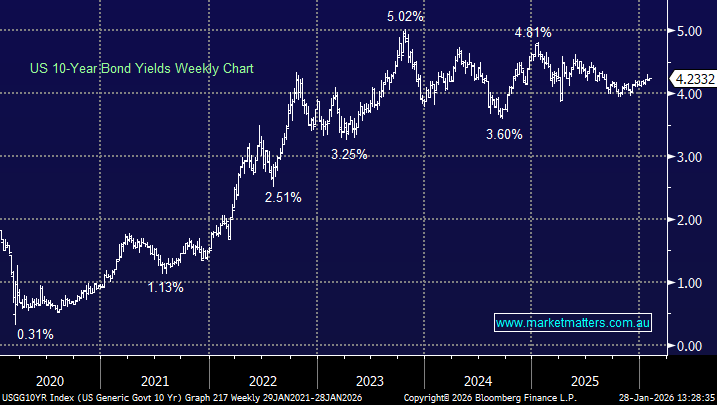
The US Bond market is made up of a few parts, all of which are large:
- U.S. Treasuries ~$US25 trillion is the most liquid bond market in the world, issued by U.S. Treasury (Government) to finance federal spending (deficits) and is bought by global central banks, governments, banks, funds, companies, and individuals.
- U.S. Mortgage-Backed Securities (MBS) ~$US8-9 trillion, are mainly issued by Fannie Mae, Freddie Mac and Ginnie Mae, and are bought by the Fed, banks, pension funds, insurers, asset managers, foreign central banks and mortgage REITs seeking government-backed yield.
- Corporate Bonds ~$US10-11 trillion issued by companies – investment grade and relatively high yield.
- Municipal Bonds ~$US3-4bn issued by states and cities.
The U.S. Bond market is huge, in very round numbers, its roughly 50–60 times larger than the Australian share market (ASX). While it’s operating healthily and yields are low it provides a tailwind for stocks.
A simple way to think about a owning a bond, is the holder is like a bank, lending money to a borrower who promises to pay the money back at a set time in the future, while also paying an interest rate along the way. The more secure the borrower, the more chance of repayment, so the lower the interest rate is.