Hi Ron,
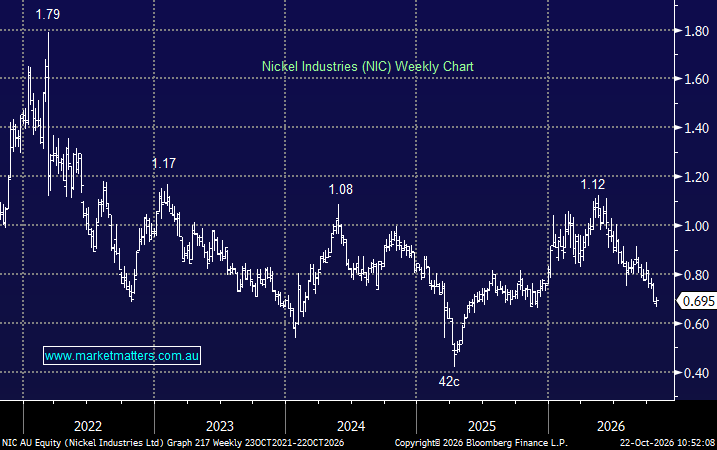
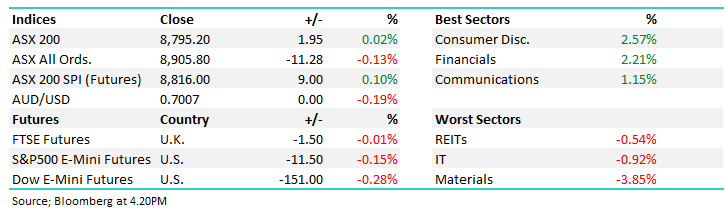
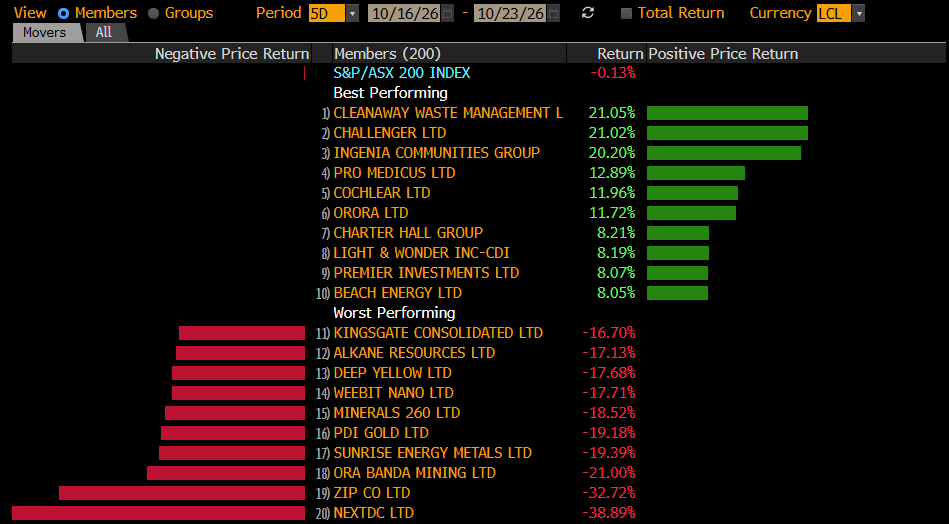
A well-timed question with Nickel Industries (ASX: NIC) the best performing ASX miner on Thursday after delivering a solid 3Q26 earnings result – EBITDA growth of +4.5% quarter-on-quarter was a positive result, particularly given the modest dip in volumes sold, i.e. implying improved realised margins.
Moving back to nickel, the metal has endured a prolonged downturn since its extraordinary squeeze above US$48,000/t in 2022, with the major culprit being a surge in Indonesian production, largely backed by Chinese investment. Indonesia now accounts for around two-thirds of global mined nickel supply, with major players including Tsingshan, Huayou Cobalt and ASX-listed Nickel Industries (NIC).
- The resulting oversupply has decimated higher-cost producers, including BHP, which placed its Nickel West operations on care and maintenance. The industry has increasingly shifted towards lower-cost Indonesian production, leaving many traditional Western producers struggling to compete.
On the demand side, the anticipated boom in nickel consumption from electric vehicles (EVs) has disappointed, largely due to the growing popularity of lithium iron phosphate (LFP) batteries, which contain no nickel. Slower-than-expected EV adoption in some markets, subdued Chinese property activity and softer stainless-steel demand have compounded the problem.
- The combination of too much supply and disappointing demand has kept nickel prices under pressure, despite many higher-cost producers struggling to remain profitable – sounds like another lithium story!
However, there are tentative signs of improvement. Nickel rallied back above US$16,000/t this week following reports that major Chinese producers operating in Indonesia, including Tsingshan, GEM, Lygend and Huayou, were discussing coordinated production cuts to support prices. Potential restrictions on new Indonesian processing capacity could also help address the oversupply.
The key, in our view, is meaningful production discipline in Indonesia rather than relying on a sharp recovery in EV demand. The latest developments are encouraging, but with so much low-cost capacity in the market, any recovery remains vulnerable to producers turning the taps back on.