Hi David,
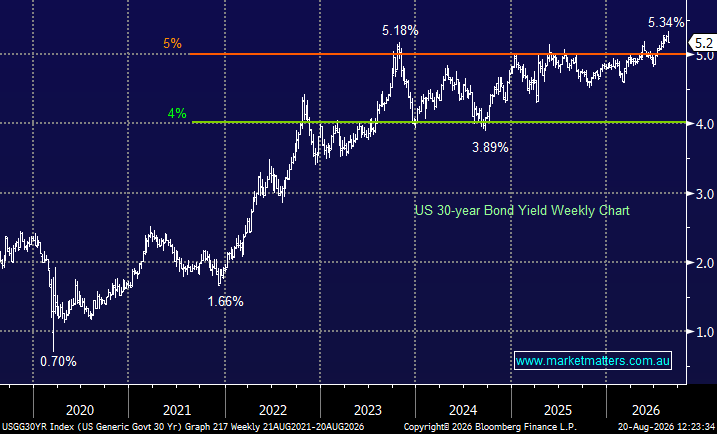
Overnight Scott Bessant, a “glorified salesman of US government bonds to the world” led the US Treasury into battle by announcing plans to at least double the size of its liquidity-support buybacks for longer-dated government bonds, spanning 10- to 30-year maturities – at least could be interpreted as however much is required!
- The largest buyers of long dated US debt are the US itself, through the Federal Reserve and federal trust funds, while Japan remains among the largest holders of long-dated Treasuries, China/Hong Kong and, more recently, Japan have been notable sellers.
- Note, Japan has periodically sold US dollar assets, including Treasuries, to fund yen purchases and support its currency, while the latest data point to broader selling by foreign central banks and governments, adding to supply pressure at the long end of the Treasury curve.
The maths is simple, Bessent is trying to reduce US bond yields and bring down borrowing costs for the US economy, the same week the US debt hit a staggering US$40trn, more than 120% of GDP.
Overseas selling of US$ assets has been the biggest driver of golds massive advance over recent years – MM remains bearish the US$ medium/long term as their debt pile slowly but surely becomes unsustainable – Scott Bessent is clearly worried!
As for ASX growth stocks, the actions by the US Treasury if anything should be supportive of the local Tech Sector. The reason being is that long-duration growth stocks derive a larger proportion of their value from cash flows expected far into the future, and bond yields are a key input into the rate used to discount those future cash flows back to today – so they impact valuations. The further out the earnings are, the more sensitive today’s valuation is to the interest rate used to discount them.