Hi Tony,
Many thanks on the feedback, always appreciated. This is a very good question/comment.
Inflation, as central banks measure it, is simply a rise in the general price level. Energy is a major input across the economy, so when oil and gas prices rise, transport, manufacturing and food costs increase, pushing CPI higher.
Importantly, this type of inflation is usually supply-driven (“cost-push”), not demand-driven. A supply shock in energy can actually slow economic growth because it raises costs for businesses and reduces household spending power — effectively acting like a tax on the economy.
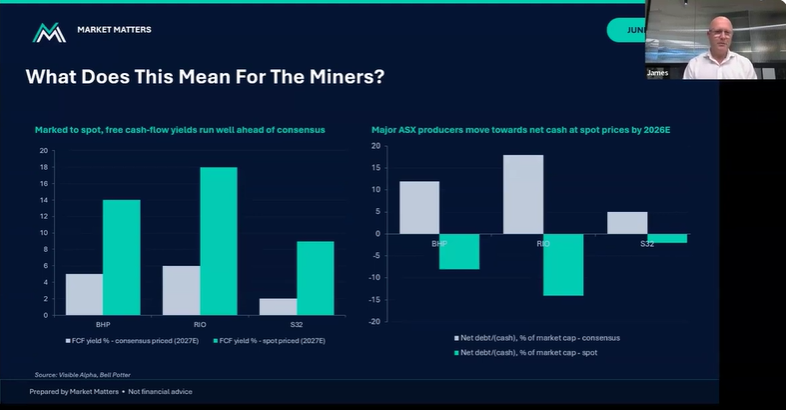
- This is why we have seen copper stocks smacked this month as investors have become increasingly concerned around the outlook for global growth.
The policy challenge is expectations. Even if the initial driver is supply, central banks worry that higher energy prices could flow into wages and broader pricing, making inflation more persistent. If that happens, they may respond with tighter policy. So, while energy spikes are inflationary in CPI terms, they can simultaneously be negative for growth, which is why central banks often try to look through temporary moves unless they begin feeding into broader inflation pressures.
So far, the recent Middle East tensions and surging oil price hasn’t led to major changes on central bank expectations, just a tweak towards a more hawkish stance:
- The US Fed is still expected to cut rates once in 2026, as manufacturing, housing and consumer spending soften, while the labour market is gradually cooling – the degree of easing’s has just been reduced.
- The RBA is now expected to hike 2 or maybe 3 times in 2026 as inflation remains strong with the economy running close to full employment.
US money supply (M2) is growing slowly again, sitting around $22.4T in early-2026, about 4% higher than a year ago. The earlier drop happened as the Fed tightened policy to fight inflation; once inflation cools after that tightening, it can create room for rate cuts but note the Fed doesn’t target money supply directly to control inflation like it did in the 1970s–80s.
In terms of this influence in the bond market, rising oil prices and rising yields don’t typically last long. If higher oil prices do indeed impact economic growth (as they generally do), bonds yields will start to come down – hence our stance to start fading the current move in yields.