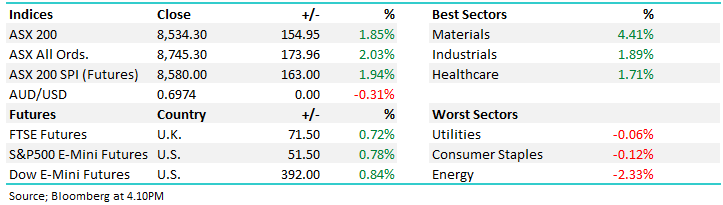
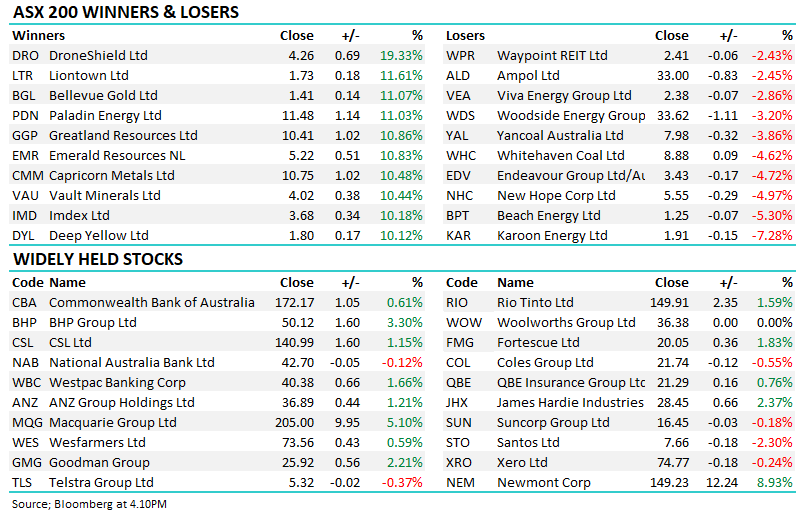
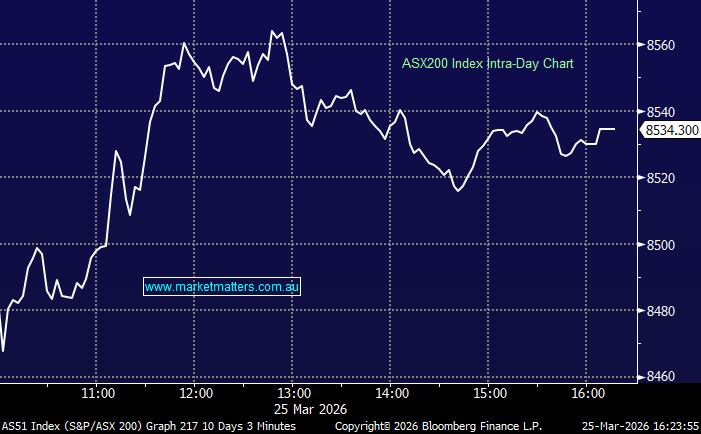
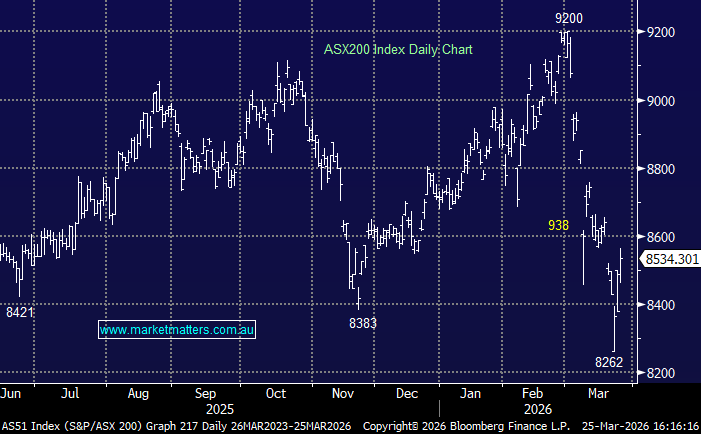
It wasn’t quite the running of the bulls at Pamplona, but after the selling we've witnessed through September and October, it was a very welcome “Relief Rally”, or perhaps more. The ASX200 ended last week up +3.4% from Monday's intra-day low, with the index rallying around 200-points over the last 3-days with strong buying in the rate-sensitive Real Estate +6.7%, Tech +4.5%, and Healthcare +4.3% sectors, laying the foundations for a stellar week while only the Utilities and energy stocks reined in the markets gains.
The ASX200 added to October's woeful performance, falling another -1% last week, taking the infamous month's decline to -3.15% with two sessions remaining – bring on Wednesday! Over the five days, the resources helped stem the losers, while the interest rate-sensitive real estate and tech names led the declines. Under the hood, there were some standout moves over the week in both directions as the index posted new lows for 2023
Last week saw broad-based weakness across the ASX200, the index closed down -2.1% after particularly aggressive selling on Thursday and Friday, the rate-sensitive Tech -5.1% and Consumer Discretionary -3.4% Sectors led the decline, while only the energy Sector closed higher over the 5-days as tensions increased across the Middle East, e.g. Whitehaven Coal (WHC) +12.3%, Santos (STO) +2.9%, Beach Petroleum (BPT) +2.9%, and Woodside Energy (WDS) +1.9%. The same two issues continue to weigh on stocks:
With over two weeks remaining, October is back in positive territory, although not in a convincing manner, the index is up +0.03%, while six out of the 11 sectors are higher. Not surprisingly, the Healthcare Sector is down -3.06%, but it probably would surprise most subscribers to know that the Energy Sector is faring worse, down -3.07%, even after the positive blip in oil prices following the attacks on Israel by Hamas – an illustration of why we believe the advance by oil and its related names is maturing fast although they should rally on Monday morning e.g. in the US Exxon Mobil (XOM) rallied +3.2%.
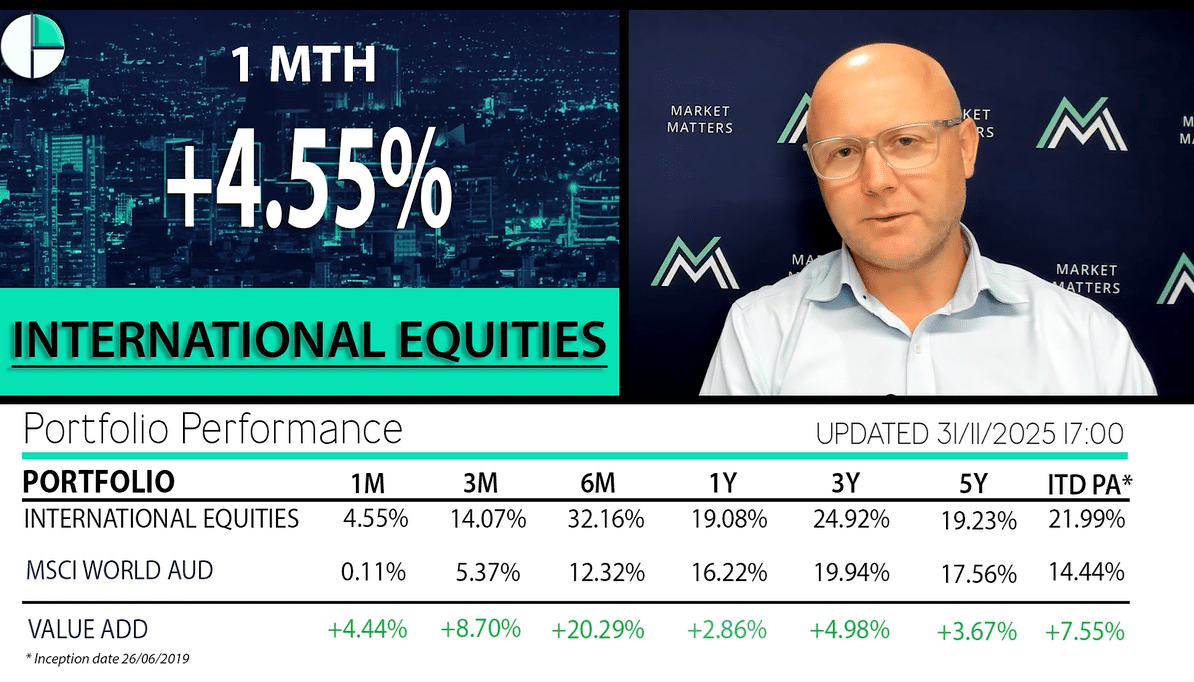
October has started in a very similar vein to September, with the ASX200 already down -1.3% as rising long-term bond yields continue to rattle equities. Over the last week, all eleven sectors closed lower with little respite for the bulls, with the index breaking to fresh lows for 2023, led by weakness in the energy and consumer discretionary names. It was a tough start to the new month for the MM Flagship Growth Portfolio, which holds a few of the standout losers last week courtesy of the aggressive “risk off” sentiment:
September is finally in the rear-view mirror with the ASX200 ending the month down -3.5% (excluding dividends). However, it was encouraging last week to see some “buying into dips” enter the market, with the index often ending at its highs for the day, the Energy Sector +1.98% was again the shining light while the rate-sensitive Tech and Real Estate Sectors, struggled, both falling over -1%. Bond yields again dominated proceedings as they continued to challenge their decade-highs, which led to further stock/sector rotation:
We’re entering the last week of September, and even after Friday's stellar recovery from the early lows, the local index is still down -3.2% with just five trading days remaining. The action was “fast & furious” during the week as investors strived to fathom the path of interest rates/bond yields into and through 2024. At MM, we don’t believe there were many surprises from central banks, but the volatility across equities suggests we were in the minority:
We’re halfway through September, the seasonally weakest month of the year for the local market, and it's so far so good, with the ASX200 down just -0.4% following Fridays +1.3% advance. The Materials Sector sprang to life after the PBOC cut reserve requirements, MM we’ve been waiting for Beijing to pull the stimulus lever, which would have investors believing that the world's second-largest economy can return to solid economic growth - We may have just witnessed this very catalyst last week. By the end of the week, 8 of the market's 11 sectors had closed higher, but it was the +3.9% move by the Materials Index which helped catapult the ASX200 up +1.7%, the Financials came in a distant second up +2.5%.
The first week of September proved to be a week to forget for the ASX200 as it fell -1.67%, with most of the weakness unfolding over the last three days. The sell-off was broad-based, with 10 of 11 sectors closing lower, with the Materials, Consumer Discretionary and Tech sectors faring the worst. In contrast, only the Energy Sector closed positive edging up just +0.6%. Under the hood, the falls were distorted in places by some significant names trading ex-dividend, but some of the movers which caught our attention over the week are as follows:
The ASX200 rallied over 200 points in the last few days of August but it was a step too far on Friday as local stocks drifted lower into the weekend, overall a good week that capped August's decline to just -1.4 %. Obviously, September has started off on the back foot but there are still 4-weeks to go before we can pass judgement as to whether this month will live up to its seasonal poor reputation. The index finally closed up +2.3% last week as we watched the end of the reporting season unfold over the 5 days, all 11 sectors closed up with the consumer Discretionary and heavyweight Materials & Financials leading the charge. A number of underperformers over the last year figured prominently in the winner's enclosure
The ASX200 added to October's woeful performance, falling another -1% last week, taking the infamous month's decline to -3.15% with two sessions remaining – bring on Wednesday! Over the five days, the resources helped stem the losers, while the interest rate-sensitive real estate and tech names led the declines. Under the hood, there were some standout moves over the week in both directions as the index posted new lows for 2023
Last week saw broad-based weakness across the ASX200, the index closed down -2.1% after particularly aggressive selling on Thursday and Friday, the rate-sensitive Tech -5.1% and Consumer Discretionary -3.4% Sectors led the decline, while only the energy Sector closed higher over the 5-days as tensions increased across the Middle East, e.g. Whitehaven Coal (WHC) +12.3%, Santos (STO) +2.9%, Beach Petroleum (BPT) +2.9%, and Woodside Energy (WDS) +1.9%. The same two issues continue to weigh on stocks:
With over two weeks remaining, October is back in positive territory, although not in a convincing manner, the index is up +0.03%, while six out of the 11 sectors are higher. Not surprisingly, the Healthcare Sector is down -3.06%, but it probably would surprise most subscribers to know that the Energy Sector is faring worse, down -3.07%, even after the positive blip in oil prices following the attacks on Israel by Hamas – an illustration of why we believe the advance by oil and its related names is maturing fast although they should rally on Monday morning e.g. in the US Exxon Mobil (XOM) rallied +3.2%.
October has started in a very similar vein to September, with the ASX200 already down -1.3% as rising long-term bond yields continue to rattle equities. Over the last week, all eleven sectors closed lower with little respite for the bulls, with the index breaking to fresh lows for 2023, led by weakness in the energy and consumer discretionary names. It was a tough start to the new month for the MM Flagship Growth Portfolio, which holds a few of the standout losers last week courtesy of the aggressive “risk off” sentiment:
September is finally in the rear-view mirror with the ASX200 ending the month down -3.5% (excluding dividends). However, it was encouraging last week to see some “buying into dips” enter the market, with the index often ending at its highs for the day, the Energy Sector +1.98% was again the shining light while the rate-sensitive Tech and Real Estate Sectors, struggled, both falling over -1%. Bond yields again dominated proceedings as they continued to challenge their decade-highs, which led to further stock/sector rotation:
We’re entering the last week of September, and even after Friday's stellar recovery from the early lows, the local index is still down -3.2% with just five trading days remaining. The action was “fast & furious” during the week as investors strived to fathom the path of interest rates/bond yields into and through 2024. At MM, we don’t believe there were many surprises from central banks, but the volatility across equities suggests we were in the minority:
We’re halfway through September, the seasonally weakest month of the year for the local market, and it's so far so good, with the ASX200 down just -0.4% following Fridays +1.3% advance. The Materials Sector sprang to life after the PBOC cut reserve requirements, MM we’ve been waiting for Beijing to pull the stimulus lever, which would have investors believing that the world's second-largest economy can return to solid economic growth - We may have just witnessed this very catalyst last week. By the end of the week, 8 of the market's 11 sectors had closed higher, but it was the +3.9% move by the Materials Index which helped catapult the ASX200 up +1.7%, the Financials came in a distant second up +2.5%.
The first week of September proved to be a week to forget for the ASX200 as it fell -1.67%, with most of the weakness unfolding over the last three days. The sell-off was broad-based, with 10 of 11 sectors closing lower, with the Materials, Consumer Discretionary and Tech sectors faring the worst. In contrast, only the Energy Sector closed positive edging up just +0.6%. Under the hood, the falls were distorted in places by some significant names trading ex-dividend, but some of the movers which caught our attention over the week are as follows:
The ASX200 rallied over 200 points in the last few days of August but it was a step too far on Friday as local stocks drifted lower into the weekend, overall a good week that capped August's decline to just -1.4 %. Obviously, September has started off on the back foot but there are still 4-weeks to go before we can pass judgement as to whether this month will live up to its seasonal poor reputation. The index finally closed up +2.3% last week as we watched the end of the reporting season unfold over the 5 days, all 11 sectors closed up with the consumer Discretionary and heavyweight Materials & Financials leading the charge. A number of underperformers over the last year figured prominently in the winner's enclosure
Check your email for an email from [email protected]
Subject: Your OTP for Account Access
This email will have a code you can use as your One Time Password for instant access
Verication email sent.
Check your email for an email from [email protected]
Subject: Your OTP for Account Access
This email will have a code you can use as your One Time Password for instant access
!
Invalid One Time Password
Please check you entered the correct info, please also note there is a 10minute time limit on the One Time Passcode
To reset your password, enter your email address
A link to create a new password will be sent to the email address you have registered to your account.
Market Matters members receive daily market reports, real-time trade alerts, full access to 5 portfolios and dynamic company data.
Choose how you'd like to proceed:
We have a range of membership options to suit your needs and budget, why not join today and get unlimited access to the premium Market Matters service.