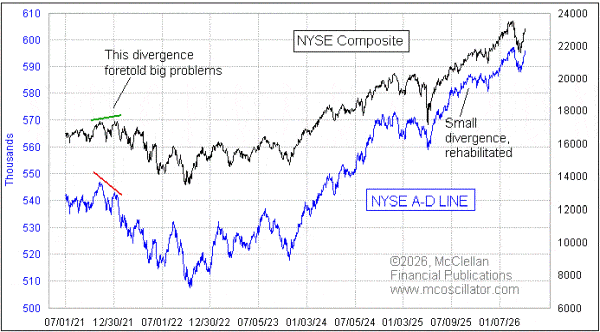
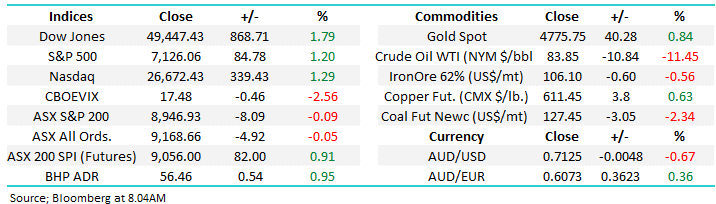
The S&P 500 and Nasdaq hit fresh all-time highs on April 15 and 16, but the NYSE’s Advance-Decline Line, which measures how many stocks are rising versus falling, hasn’t quite confirmed those highs yet, sitting short of its own record. Some interpret this as a warning sign, but it’s not, the NYSE Composite Index, unlike the S&P 500 and Nasdaq, itself is still 2.4% below its all-time high, meaning the A-D Line is actually outperforming prices. More importantly, the breadth data has averaged 738 net daily advances over the two weeks since the March 30 low, a steep, healthy climb that signals liquidity is plentiful and the rally has broad participation, not just a handful of mega-cap stocks doing the heavy lifting.
The reason the NYSE A-D Line matters so much is that every stock gets an equal vote, and when liquidity starts to dry up, it hits the smallest and most vulnerable companies first, well before the blue chips feel it. That early warning signal is exactly what makes this indicator so valuable. Right now it’s seeing no concerns, and neither is the high-yield corporate bond A-D Line, which draws from the same liquidity pool as equities and tends to flash red first when trouble is brewing. Both are clean. For now, the weight of evidence points to a market with genuine breadth behind it, not one being carried by a narrow group of winners.
- Liquidity indicators are bullish towards equities as stocks recover from the outbreak of war.