Discount/premium to NTA:
- The average LIC trades at a ~9% discount to pre-tax NTA, although this is heavily skewed by some of the smaller LICs trading at material discounts.
- Discounts and premiums are not static — WAM Leaders (ASX: WLE) moved from a 7.8% discount to a 0.2% premium over FY26, on the back of strong investment performance – amplifying TSR for investors who bought at a discount.
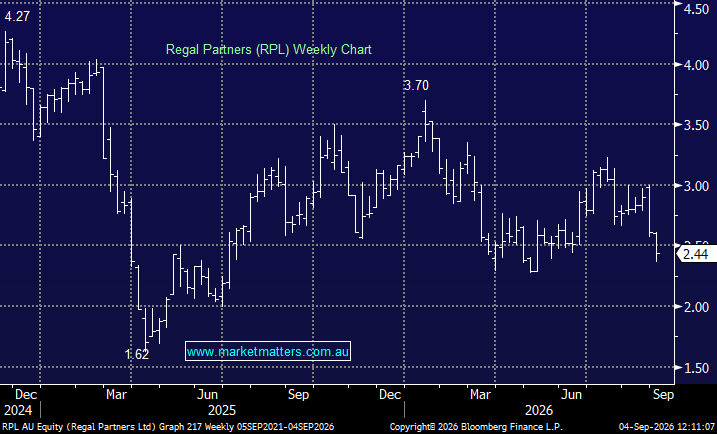
- WAM Capital (ASX: WAM) has just moved from a ~15% premium to very close to NTA, hurting the TSR for investors who bought at a premium.
For an investor, buying at a wide discount and having it narrow is a real source of extra return; buying at a premium (or holding through a widening discount) can erode even a good underlying result.
Income and franking:
- LICs distribute from a profit reserve, which can smooth dividends through weaker years, a structural advantage over ETF distributions, which pass through the underlying income and can be lumpier.
- Franking credits attached to LIC dividends are a genuine, quantifiable benefit for Australian taxpaying investors. Vanguard Australian Shares ETF (ASX: VAS) has averaged a yield of around 3.35%, and grossed-up LIC yields can run meaningfully higher depending on the vehicle and franking level
- LITs sit in between: no company-level tax, but many still pass through franking credits earned from underlying holdings.
Cost impact over time:
- Passive ETF expense ratios for broad Australian/global index exposure typically run 0.05–0.20% p.a. Active ETFs however, charge fee’s more aligned with a typical managed fund or LIC.
- LIC fees typically run ~1% management plus a 15–20% performance fee above benchmark.
- On $100,000 invested, a 1% p.a. fee differential compounds to a meaningfully large gap over ten years even before performance fees are added; the bar an active LIC manager needs to clear is higher than the headline outperformance numbers suggest.
Discounts, franking and fee drag are the three levers that separate LICs from ETFs — get the entry price right on a LIC and the discount narrowing does a lot of the work for you. Get it wrong, and it can amplify losses quickly, as we’ve seen with WAM.
The Case for Passive ETFs
- Low-cost market exposure — passive index ETFs typically charge very low fees, making them difficult to beat for straightforward Australian or global equity exposure.
- Simple and transparent — investors know what they own, while income and realised capital gains generally flow through directly to unitholders.
- Reliable pricing and liquidity — the creation/redemption mechanism helps keep ETF prices close to NAV, avoiding the potentially large premiums and discounts seen in LICs/LITs.
- A natural portfolio “core” — passive ETFs provide an easy, set-and-forget way to track a market or benchmark without having to pick an active manager or judge whether a discount to NTA is attractive.
For MM, ETFs are increasingly the logical starting point for the core of a portfolio: simple, liquid and low-cost, leaving active management to areas where there is a stronger chance of adding genuine value.
The Case for LICs/LITs
- Access to genuine active skill or concentrated conviction not available via an index (e.g. PGF’s global long/short book, PCI’s private credit exposure).
- Franking credit utilisation for taxpaying Australian investors.
- Profit-reserve-smoothed income for investors prioritising dividend consistency over pure total return.